
The House Always Wins? Not If You Understand Variance
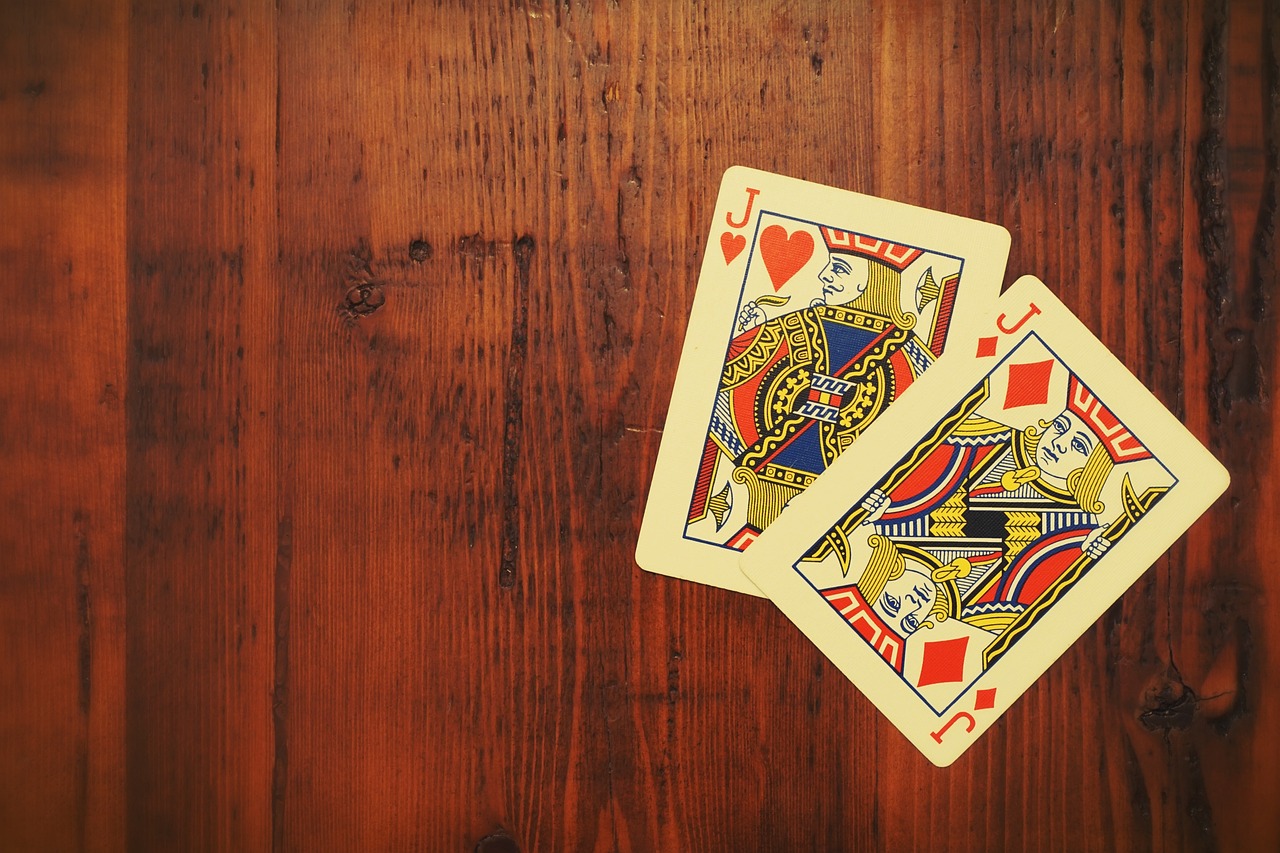
Every gambler has heard the phrase "the house always wins." It's true in the long run, but the long run is a lot longer than most people think. The gap between what a casino edge looks like on paper and what it feels like on a Tuesday night at 2 a.m. is where fortunes are made, lost, and misunderstood. If you're going to put real money on the line — whether it's a slot spin, a sports bet, or a poker hand — you owe it to yourself to understand what's actually happening underneath the flashing lights.
The Real Math Behind the Glow
Let's start with the uncomfortable part. Every game you play in a casino has a built-in mathematical advantage for the operator. It's called the house edge, and it varies wildly depending on what you're playing.
- Blackjack (basic strategy): roughly 0.5% to 1% house edge. One of the best bets in the building.
- Baccarat (banker bet): about 1.06%. Quietly one of the sharpest wagers on the floor.
- European roulette: 2.7%. American roulette with the double zero? 5.26%. Same game, double the bleed.
- Slots: typically 2% to 10% depending on the machine and jurisdiction, with penny slots often sitting at the brutal end.
- Sports betting: built into the vig, usually 4% to 5% on a standard -110 line.
Here's the thing most people miss: the house edge isn't a tax on each bet in any predictable way. It's a long-term average that only reveals itself over thousands of decisions. In a single session, you might walk away up 300% or down to your last chip. Neither outcome tells you anything about whether you made a smart bet.
Variance Is the Whole Story
Variance is the reason slots and poker feel so different even though both are gambling. On a slot machine, every spin is an independent event. The machine doesn't care that you've lost nine spins in a row. On a 96% RTP slot, the return is calculated over millions of spins — not your hundred.
Poker is different because you're not playing the house, you're playing other people. The rake is the only guaranteed edge against you, and skilled players can consistently beat weaker opponents over time. That's why professional poker exists and professional slot playing doesn't.
A useful way to think about it: slots are a negative-sum game with fixed odds. Poker is a skill-weighted game with variable odds determined by who you sit with. If you don't know who the fish at the table is within fifteen minutes, it's probably you.
Where Casinos Actually Make Their Money
Macau and Las Vegas tell two very different stories. In Vegas, slots generate roughly two-thirds of casino gaming revenue. In Macau, it's baccarat that dominates — often more than 80% of the market. The floor layout in a Macau casino looks almost nothing like the slot-heavy aisles of the Strip.
Online, the picture shifts again. Live dealer games and crash-style titles have eaten into traditional slot revenue in markets like the UK and Scandinavia. Sportsbooks have become the acquisition funnel — the thing that gets a customer in the door — while casino games do the heavy lifting on retention.
That matters to you as a player because it tells you where the competition is fiercest. Sportsbooks fight on margins and promotions. Slot providers fight on volatility and bonus features. Understanding the business tells you where the value is leaking out of your pocket and where it isn't.
A Few Principles That Actually Hold Up
None of this is revolutionary, but almost nobody follows it consistently. It is also worth checking slot dana before deciding.
- Set a loss limit before you sit down, not after. The worst decisions in gambling happen when you're chasing. Decide what you're willing to lose, and treat it as spent the moment you buy in.
- Play the lowest-edge version of the game you actually enjoy. If you love roulette, play European, not American. If you love blackjack, learn basic strategy — it's a two-hour investment that pays for life.
- Ignore the RTP myth that "a machine is due." Independent events don't have memory. A slot that hasn't paid out in six hours isn't more likely to hit. It's just a slot.
- Understand volatility, not just RTP. Two slots can have identical 96% return rates — one pays small amounts constantly, the other pays giant amounts rarely. Pick the one that matches your bankroll, not your mood.
- Take bonuses seriously but read the wagering requirements. A 100% match bonus with 40x wagering on slots is very different from 40x on table games. Some bonuses are effectively worthless.
What the Regulators Get Right and Wrong
Licensed jurisdictions like the UK, Malta, Sweden, and most US states require published RTPs, verified random number generators, and self-exclusion tools. That's genuinely good for players. The weak spot is that these protections are inconsistent across borders, and offshore sites often operate outside any meaningful oversight.
If you're playing seriously, stay inside a licensed market even when the bonuses abroad look better. The legal recourse alone is worth the smaller sign-up offer. A casino that won't let you file a complaint isn't a casino — it's a risk you don't need to take.
Responsible gambling tools have also gotten genuinely useful. Deposit limits, session reminders, cool-off periods, and reality checks are now standard on most regulated platforms. Use them, even if you never think you'll need them. The version of you that sets a deposit limit on a sober Sunday afternoon is smarter than the version of you at midnight on a Friday.
The Only Conclusion That Matters
The house edge is real. So is variance. The trick isn't pretending you can outsmart the math — you can't, not in a game where the rules are stacked. The trick is choosing games where your skill can close some of that gap, understanding the trade-off between edge and excitement, and never letting a single hot night convince you that the long run has changed its mind.
Treat gambling as entertainment with a known cost, not as a strategy for wealth. That single mental shift will do more for your bankroll than any betting system ever sold. And if you ever feel like the game is playing you instead of the other way around, step away. The lights will still be on tomorrow.
Play smart, stay curious, and never bet more than the night can afford.